Bats are protected in New Jersey, so removal has to be done right — humanely, with proper exclusion so they leave and can't return.
Real jobs, photographed by our crew. Found, fixed, and sealed so it doesn't happen again.
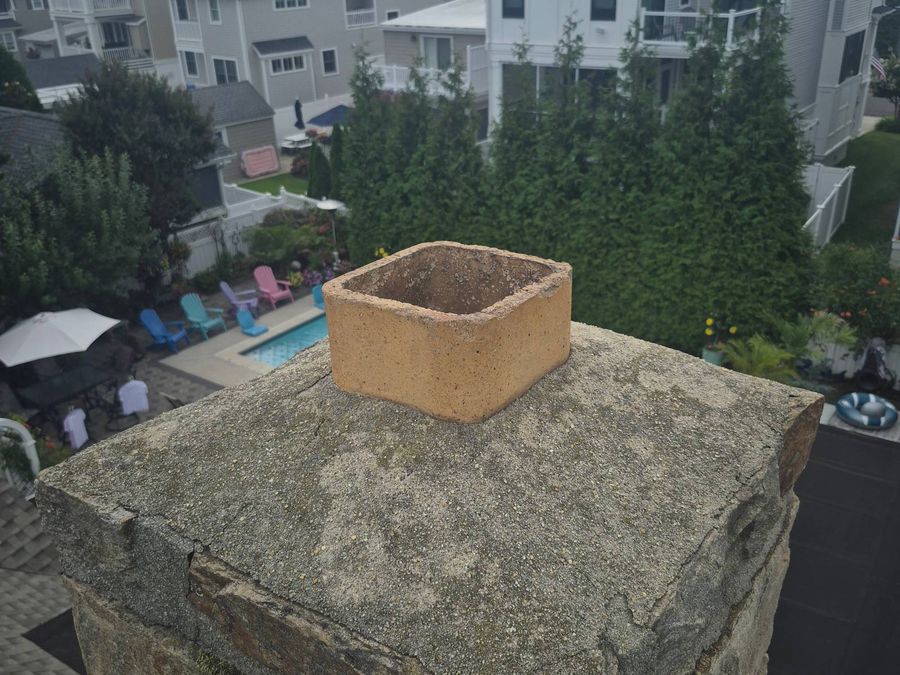
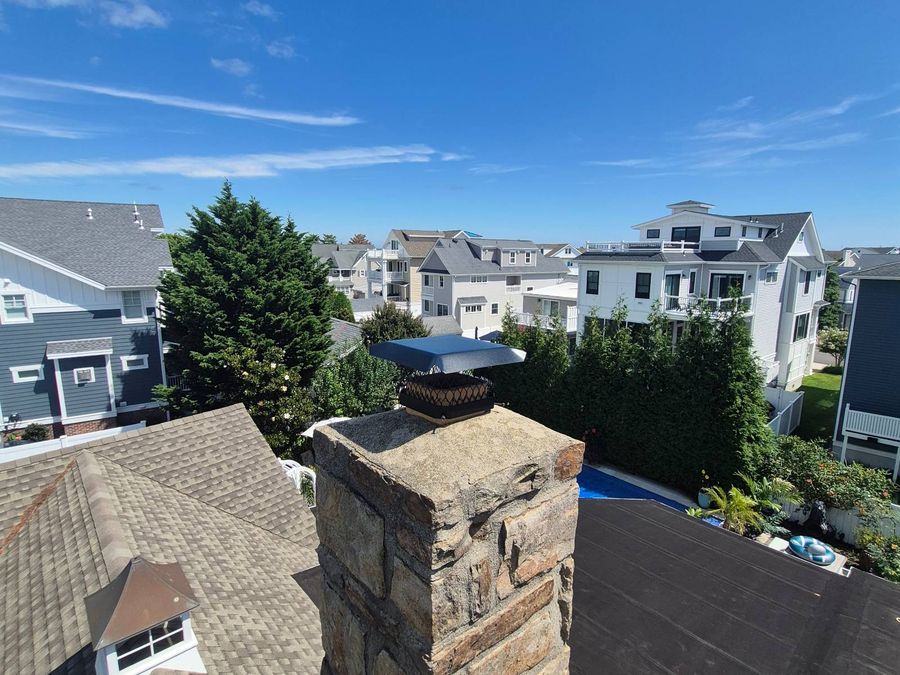
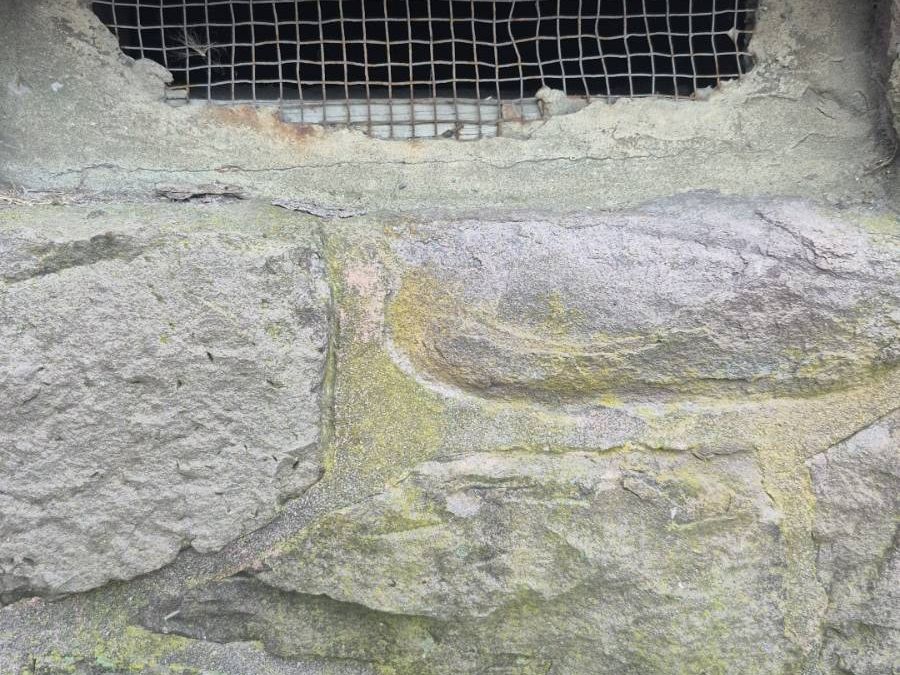
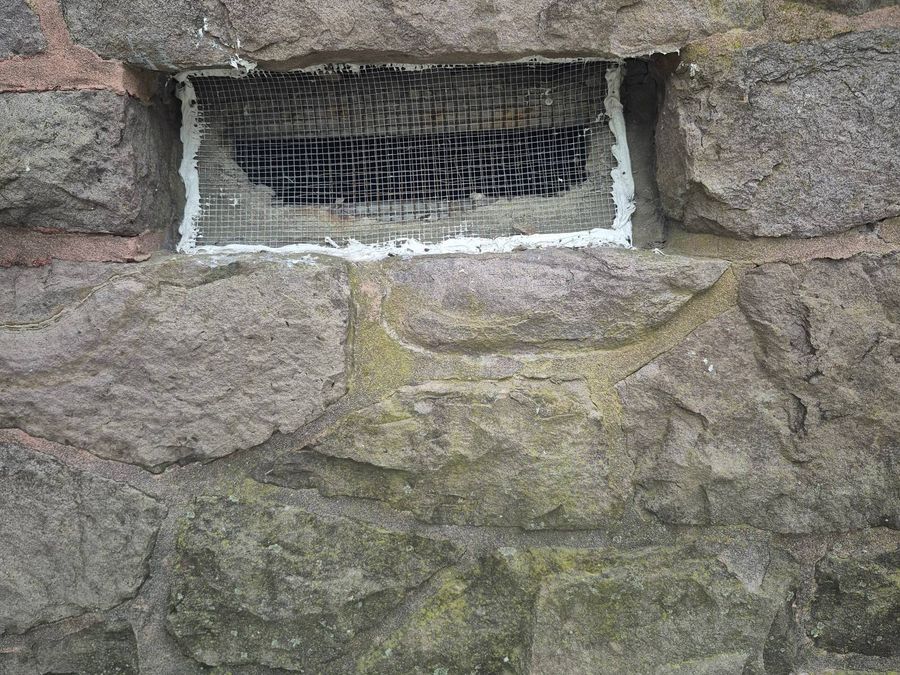
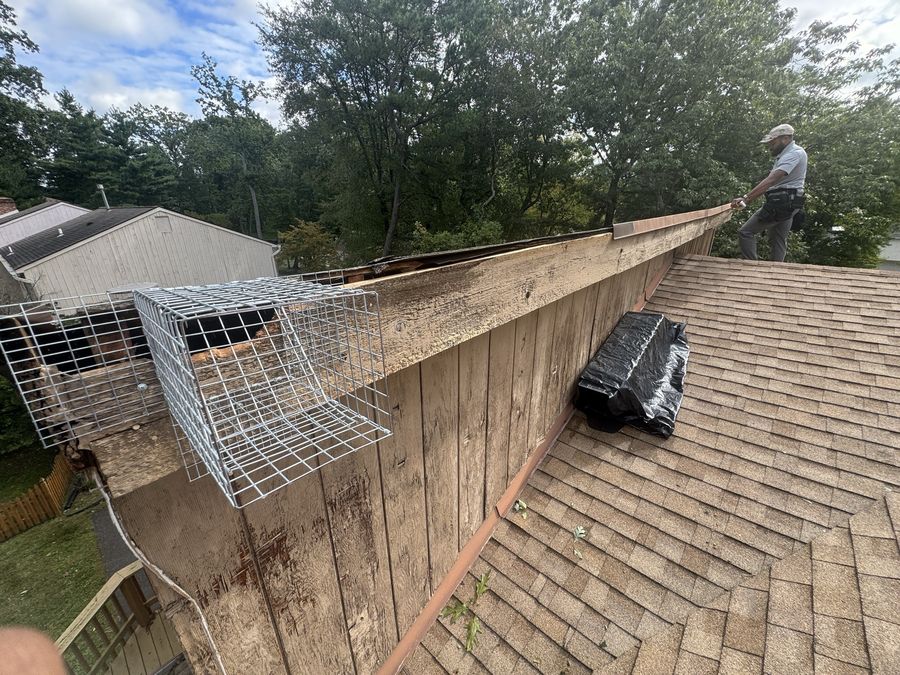
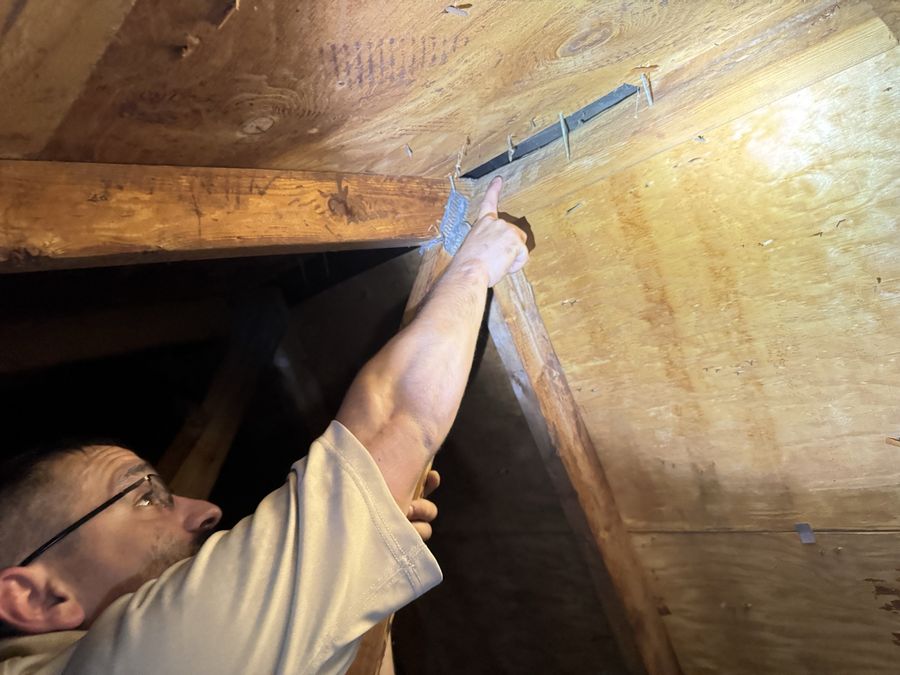
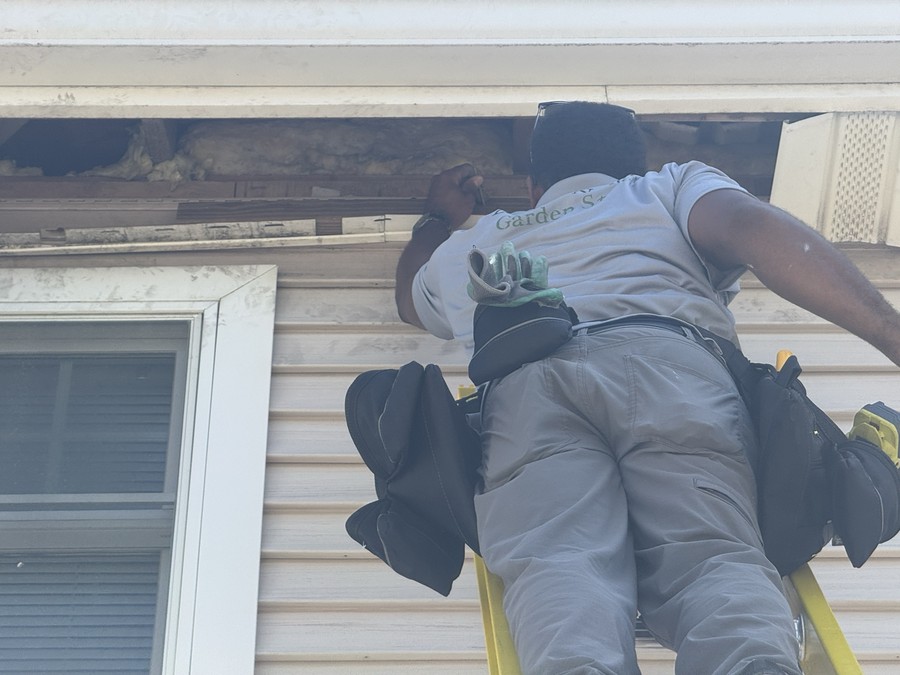
Photos are from our own jobs. Customer addresses are never shown.
The questions we get asked most about bat removal.
No. New Jersey only permits bat exclusion from April 1 to May 14 and August 1 to October 15. From May 15 to July 31 it is prohibited, because pups cannot fly yet and sealing the mothers out would trap and kill them. That is law, not preference.
No, and it would not work. Bats are protected in New Jersey, so poisoning and trapping are illegal and ineffective. The only method that holds is exclusion: let them leave through a one-way device, then seal the openings behind them.
It can be. Guano builds up over years, and the fungus that grows on it can cause histoplasmosis when it is disturbed. Cleanup needs proper protection and should be done once the colony is out, never before. Disturbing it is what releases the spores, so the order of work matters.
One-way devices stay in place for about a week, including at least three consecutive nights warm and dry enough for bats to fly. We monitor the exit, confirm they are all out, then seal the openings permanently. Doing it faster would risk sealing bats inside.
Locate all entry points and roosting areas.
Install one-way devices so bats leave but can't re-enter.
Close every gap once the colony is out.
Remove guano and sanitize the affected area.
Tell us what's going on and we'll get back to you fast — or call now for same-day service.
